Article -> Article Details
| Title | Best Brain Stroke Treatment Nagpur: Early Care & Healing |
|---|---|
| Category | Fitness Health --> Dentistry |
| Meta Keywords | brain stroke treatment nagpur |
| Owner | pratikmishra |
| Description | |
|
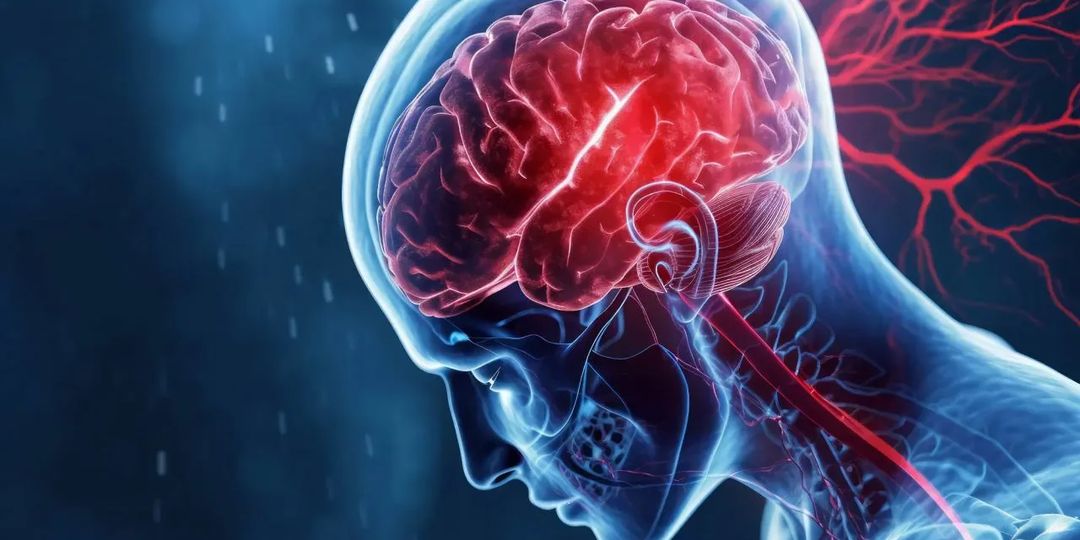
Across busy households in central India, early signs sometimes get brushed aside as simple fatigue, warm weather, or acidity. Catching sudden neurological changes right away gives patients a stronger chance at safer recovery and less long-term disability. Understanding How Brain Strokes HappenA stroke occurs when blood flow to part of the brain is blocked by a clot or when a weakened vessel bursts and bleeds into surrounding tissue. Deprived of oxygen and nutrients, affected brain cells struggle to function, which can change movement, speech, balance, or memory. Prompt medical evaluation identifies which type of stroke has occurred so care teams can act safely. Treatment for a blocked artery looks very different from care for bleeding inside the brain. Spotting Sudden Signs EarlySymptoms usually strike all at once rather than creeping in over several days. Acting at the first sign saves precious time before emergency care begins.
Emergency Evaluation and First StepsAt the hospital, doctors check airway, breathing, blood pressure, and blood sugar while rushing the patient for brain imaging. Scans reveal whether blood flow is blocked or bleeding has started, guiding immediate clinical decisions. Depending on scan findings and how quickly the patient arrives, clinicians may evaluate eligibility for clot-dissolving medicines or targeted clot removal. When bleeding is present, controlling blood pressure and protecting brain tissue become immediate priorities. What Effective Brain Stroke Treatment InvolvesEmergency stabilization only sets the stage for deeper healing. Every recovery path looks different because each brain injury is unique. Progress may move quickly in the first weeks and then settle into slower, steady gains over several months. Early Rehabilitation and TherapyStarting gentle movement and speech work early helps the brain build new connections around injured areas. Supervised therapy also prevents secondary problems such as joint stiffness, chest infections, or pressure injuries.
Adjusting Daily Routines at HomeMany homes in Indian cities and towns have narrow passages, raised thresholds, or stepped-down bathrooms that create trip hazards. Clearing floor clutter, placing non-slip mats, and keeping essentials close by make everyday movement safer. Caregivers carry a heavy load during recovery, especially in the first few months after discharge. Sharing daily tasks, keeping medicine timings clear, and taking short rest breaks help prevent caregiver exhaustion. Long-Term Prevention With Specialist CareOnce the immediate crisis passes, regular review with the Long-term prevention depends heavily on realistic daily habits that fit normal family life. Consistent routines around food, movement, and checkups protect blood vessels year after year. Practical Daily Habits That Protect Brain HealthSteady control of blood pressure and blood sugar is one of the strongest ways to protect the brain over time. Stopping prescribed tablets simply because a person feels fine often leads to avoidable setbacks.
Organizing Follow-Ups and Family SupportKeeping a single file with scan reports, discharge notes, and current prescriptions makes clinic visits smoother and less stressful. Jotting down questions beforehand helps families understand therapy goals and warning signs to watch for at home. Steady encouragement matters just as much as medicine. Noticing small wins—like holding a cup steadily or walking a few extra steps—helps patients stay motivated through slow weeks. Frequently Asked QuestionsHow fast should someone reach a hospital if stroke symptoms appear?Go for emergency medical care right away as soon as symptoms start. Fast arrival lets doctors run scans quickly and consider time-sensitive treatments safely. Can someone make a full recovery after a stroke?Recovery depends on the stroke type, affected brain region, and how quickly care started. Many people regain strong daily function with consistent rehabilitation, though some lasting effects can occur. Why are early stroke signs sometimes overlooked at home?Brief dizziness, mild slurring, or heaviness in an arm may be mistaken for tiredness or heat. Checking for sudden face, arm, or speech changes helps spot emergencies sooner. What foods support recovery and help lower future stroke risk?Meals built around vegetables, whole grains, lentils, and healthy fats support blood pressure and cholesterol control. Reducing heavy salt, sugary beverages, and fried snacks helps protect blood vessels. How can families make the home safer after discharge?Keep walkways clear, add non-slip mats in wet areas, and arrange frequently used items at waist height. Good lighting and sturdy seating also reduce fall risk. How often should a stroke survivor have follow-up visits?Follow the care team's schedule closely, often starting within a few weeks of discharge or earlier if new symptoms appear. Regular checkups keep medications and prevention targets on track. ConclusionQuick emergency action paired with steady rehabilitation and thoughtful daily care shapes meaningful recovery after a stroke. When families stay informed, keep home routines safe, and maintain regular medical checkups, recovery can move forward with greater steadiness and clarity. | |