Article -> Article Details
| Title | FUE Hair Transplant at Glamorous for Crown Hair Loss |
|---|---|
| Category | Fitness Health --> Health Articles |
| Meta Keywords | FUE Hair Transplant in Islamabad |
| Owner | aesthethic |
| Description | |
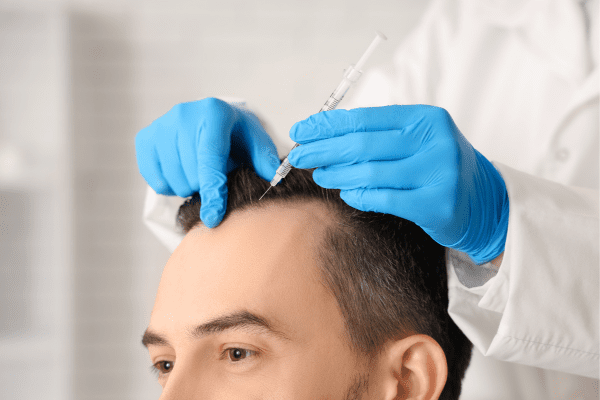
| Hair thinning at the crown is one of the most common concerns among men and women who notice changes in their hair density over time. It often begins quietly, with a slightly widening part or a visible scalp when light falls from above. Many people who explore FUE Hair Transplant in Islamabad do so because they want a lasting, natural-looking solution supported by professional assessment. Understanding how the procedure works, how crown restoration differs from other areas, and what to expect throughout the process helps patients make confident and informed choices. Understanding Crown Hair LossThe crown, also called the vertex, is the circular area at the top back of the scalp. Hair loss here commonly follows a pattern linked to genetics and hormones, particularly sensitivity of hair follicles to dihydrotestosterone. Over time, affected follicles shrink, producing thinner and shorter hairs until growth may stop altogether.Other factors can contribute or accelerate the process. Chronic stress, nutritional deficiencies, hormonal changes, certain medications, and underlying medical conditions can all influence hair density. Because causes vary, a proper diagnosis is essential before any treatment is planned. A transplant is not the right answer for every case, and an honest evaluation protects patients from unnecessary procedures.Crown loss also behaves differently from hairline loss. The hair here grows in a swirling pattern, which makes it more complex to restore. Skilled planning is needed so that transplanted grafts follow the natural direction and angle of the surrounding hair. What Is FUE Hair Transplantation?Follicular unit extraction is a technique in which individual hair follicle groups are taken from a donor area, usually the back and sides of the scalp, and placed into areas of thinning. These donor follicles are typically more resistant to the hormonal influences that cause pattern hair loss, which is why they can continue to grow after relocation.During the procedure, a small, precise instrument is used to extract follicular units one at a time. Because no strip of scalp is removed, the technique generally avoids a long linear scar. Tiny dot-like marks may appear in the donor area, but they are usually well concealed by surrounding hair. This is one reason many patients prefer FUE, especially those who like to wear their hair short. Why the Crown Requires Careful Planning?Restoring the crown is often more demanding than treating other areas because the surface area can be large and the hair grows in a spiral. Poor planning may result in a flat or unnatural appearance. Careful design is therefore a priority.A surgeon must consider how many grafts are available in the donor area and how to distribute them wisely. Using too many grafts on the crown could leave less available for the front of the scalp, which may matter if hair loss progresses over time. Thinking about the long-term pattern of hair loss is as important as treating the visible area today.Younger patients, in particular, benefit from a cautious plan. Hair loss can continue to advance, and a transplant does not stop the loss of existing native hair. In some cases, a doctor may recommend medical therapy alongside surgery to help maintain the hair already present. The Consultation StageThe consultation is where a safe and effective plan begins. At Glamorous, the practitioner reviews the pattern and cause of hair loss, examines the scalp, assesses donor density, and discusses medical history, medications, and expectations. The patient receives an honest opinion on whether FUE is suitable, an estimate of the graft numbers likely to be needed, and a clear explanation of timelines, costs, and aftercare. Questions are welcomed at every stage so that no decision is rushed. To arrange a consultation, visit https://www.glamorousclinic.com.pk/ Candidacy and SuitabilityGood candidates for crown FUE typically have sufficient donor hair, stable overall health, and realistic expectations. Those with very limited donor density or rapidly progressing loss may need alternative or supportive approaches first. Certain scalp conditions and medical issues must also be evaluated before treatment is considered.Age is not the only deciding factor, but the stability of the pattern matters. A practitioner may suggest observing the progression of hair loss for a period before surgery, particularly in younger patients. This approach reduces the risk of an uneven result years later.Patients are also encouraged to disclose smoking habits, supplement use, and previous scalp procedures, since these can influence healing and graft survival. What Happens on the Day of the Procedure?On the day of treatment, the scalp is cleaned and the treatment areas are marked. Local anesthesia is used so that patients remain comfortable. The donor area is prepared first, and follicular units are harvested carefully. After extraction, the recipient sites are created at the crown according to the planned design, and grafts are placed with attention to direction and angle.The duration of the procedure depends on the number of grafts involved. Breaks are provided so the patient can rest, eat, and stay comfortable. Most people go home the same day with detailed instructions for the first days of recovery. Recovery and AftercareRecovery after FUE is generally manageable, though everyone heals differently. Mild redness, tiny scabs, and some swelling are common in the first days. The practitioner provides guidance on washing, sleeping position, and avoiding activities that may disturb the grafts.Small crusts usually fall away within the first couple of weeks. Transplanted hairs often shed in the weeks that follow, which is a normal part of the cycle and not a sign of failure. New growth typically begins around three to four months, with gradual thickening over the following months. Full results are usually judged after about twelve months or longer, since hair grows slowly.Sun protection, gentle handling, and following all instructions are important to protect the grafts during healing. Patients should contact the clinic if they notice unusual pain, persistent swelling, or signs of infection. Realistic ExpectationsA well-planned FUE procedure can improve density and create a more balanced appearance at the crown, but results depend on donor quality, the extent of hair loss, and individual healing. Some patients may need a second session for greater density, especially when large areas are involved.It is also important to remember that transplanted hair does not prevent the loss of nearby native hair. Ongoing care, and sometimes medical treatment, may be recommended to preserve existing density. Honest discussion of these points before treatment helps patients feel prepared and avoids disappointment. Choosing the Right ClinicSelecting a clinic is one of the most important parts of the journey. Patients should look for qualified practitioners, clear communication, a hygienic environment, and transparent discussion of costs and limitations. Reviewing before and after examples, asking about experience with crown restoration, and understanding aftercare support are all sensible steps. ConclusionCrown hair loss can feel discouraging, but modern FUE techniques offer a thoughtful and effective option for suitable candidates. Success depends on accurate diagnosis, careful graft planning, skilled technique, and diligent aftercare. Taking the time to understand the process and set realistic expectations leads to better outcomes and greater satisfaction. | |