

Article -> Article Details
| Title | Tennis Rebounder Net: Build Better Control and Consistency |
|---|---|
| Category | Sports --> Tennis |
| Meta Keywords | tennis rebounder net, tennis training Australia |
| Owner | Tennis Assist |
| Description | |
Tennis Rebounder Net: Find the Right Equipment for Solo Practice at Home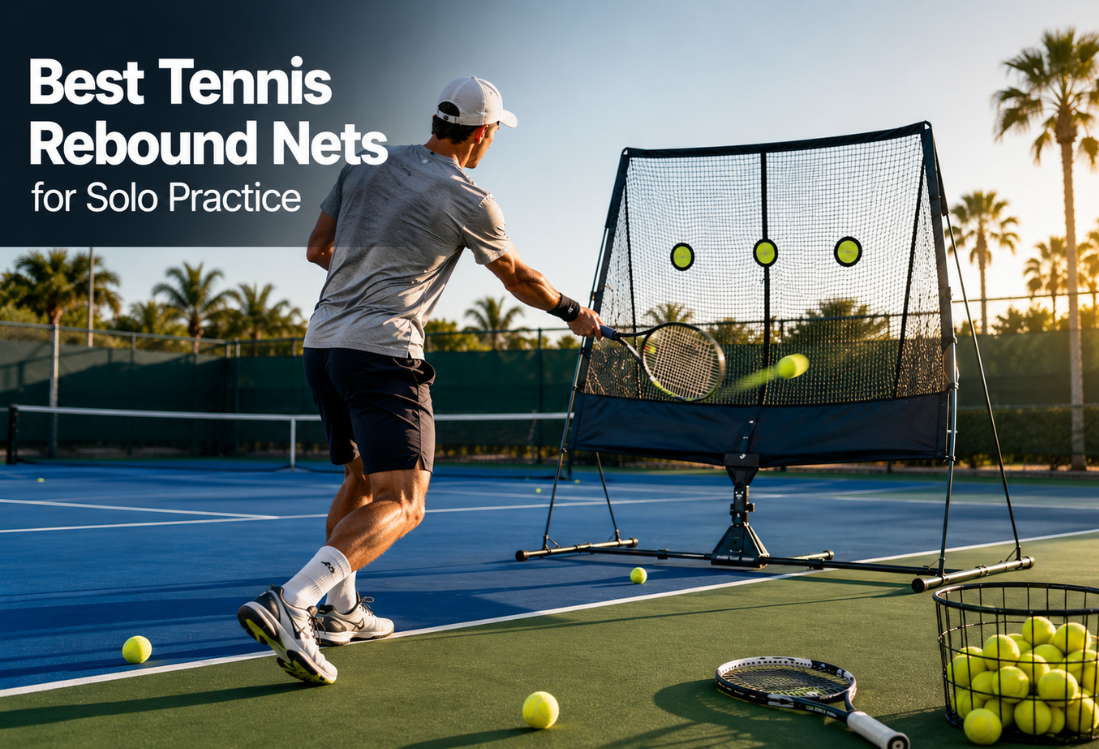 Finding someone to play tennis with every time you want to practise is not always easy. Busy schedules, court bookings and changing weather can make regular training difficult. A tennis rebounder net offers a practical way to practise independently and work on your tennis skills without depending on a partner. Whether you are a beginner learning basic strokes or an experienced player looking to improve consistency, a rebounder can help you build a regular practice routine. With the right setup, you can work on your timing, racket control, footwork and reaction speed at home. Why Choose a Tennis Rebounder Net?A tennis rebounder net is designed to return the ball after you hit it, allowing you to repeat shots without another player feeding the ball. It can turn a suitable backyard, driveway or open practice area into a personal training space. One of its biggest advantages is convenience. You can practise when you have free time instead of arranging a game or travelling to a tennis court. A rebounder can help you:
It is useful for different playing levels, provided you choose a setup that matches your ability and available space. How to Choose the Right Tennis Rebounder NetNot every rebounder has the same design or features. Before buying one, consider how and where you plan to use it. Frame and stability: Choose a frame that stays secure during repeated hitting. A stable setup makes practice more comfortable. Net material: Look for durable mesh that can handle regular use and outdoor conditions. Size: Check the dimensions and make sure you have enough room to swing your racket and move safely. Portability: A foldable or lightweight design can be useful if you need to store the equipment after practice. Ball compatibility: Check which balls are suitable for the rebounder. Some advanced training systems require specially designed balls for their feedback features. Think about your main training goal before comparing products. A basic rebound net may suit players who want simple hitting practice, while a more advanced system may be useful if you want structured training and performance feedback. Easy Tennis Drills at Home With a RebounderYou do not need a complicated training plan to get started. Simple tennis drills at home can help you focus on one skill at a time. Try these exercises: 1. Forehand consistency drill Stand at a comfortable distance from the rebounder. Hit controlled forehands and prepare for the returning ball. Focus on clean contact rather than power. 2. Backhand practice Repeat the same exercise using your backhand. Keep your body balanced and prepare your racket early. 3. Alternating strokes Switch between forehands and backhands as the ball returns. This helps you practise racket preparation and quick adjustments. 4. Footwork and recovery drill After each shot, take small recovery steps and return to your ready position. Avoid standing still between hits. Start slowly and increase your pace as your control improves. These drills can make solo sessions more focused and enjoyable. Tennis Practice Equipment at Home: What Else Do You Need?A rebounder is a useful starting point, but other tennis practice equipment at home can help you build a more complete routine. Consider adding:
Choose accessories according to your needs rather than buying everything at once. A small collection of useful equipment is often enough to create a regular training routine. Upgrade Your Training With a Fast Track Tennis Feedback SystemTraditional rebound nets are useful for repeated hitting, but players looking for a more structured approach may also consider a fast track tennis feedback system. The Fast Track Tennis Feedback System offers a different approach to solo training. It combines a ball-feeding setup with specially marked tennis training balls and feedback features that help users review selected aspects of their practice. A smart tennis training Australia search may bring up different types of training products, so compare their features carefully before making a purchase. Look at the feeding mechanism, space requirements, ball compatibility and available feedback options. If you want to move beyond basic rebound practice, a feedback-based system may be worth considering. Review the product details to understand how it works and whether it suits your training goals. Improve Tennis Skills at Home With Regular PracticeThe best way to improve tennis skills at home is to follow a routine you can maintain. You do not need to spend hours practising every day. Short sessions with clear goals can help you develop better habits over time. For example, dedicate one session to forehands, another to backhands and a third to footwork and movement. Keep track of your progress and adjust your drills when they become too easy. Tennis Assist provides tennis training products for players who want more options for practising independently. Explore the rebound net guide and training options to compare equipment and find a setup that matches your needs. Before purchasing, check the product specifications, available accessories and storage requirements. Choosing suitable equipment can make home practice easier to organise and more convenient to maintain. Frequently Asked Questions1. Is a tennis rebounder net good for beginners?Yes. Beginners can use a rebounder to practise basic forehands, backhands and ball control. Start with gentle shots and focus on technique. 2. Can I practise tennis alone with a rebounder?Yes. A rebounder returns the ball after you hit it, allowing you to repeat strokes without a partner. 3. How much space do I need for a tennis rebounder?The required space depends on the rebounder's dimensions and your practice style. Always check the product specifications and allow enough room for safe movement. 4. What is the difference between a rebounder net and a feedback system?A basic rebounder returns the ball for repeated hitting. A feedback system may include additional features that help track or review selected aspects of your practice. 5. Can a tennis rebounder help improve footwork?Yes. You can combine hitting drills with recovery steps and side-to-side movements to practise footwork while working on your strokes. | |