Article -> Article Details
| Title | Aqua Probiotics for Shrimp Hatcheries | Selection & Benefits | Elmed Life Sciences |
|---|---|
| Category | Business --> Business Services |
| Meta Keywords | Aqua Probiotics Manufacturer and Supplier |
| Owner | Elmed Life Sciences |
| Description | |
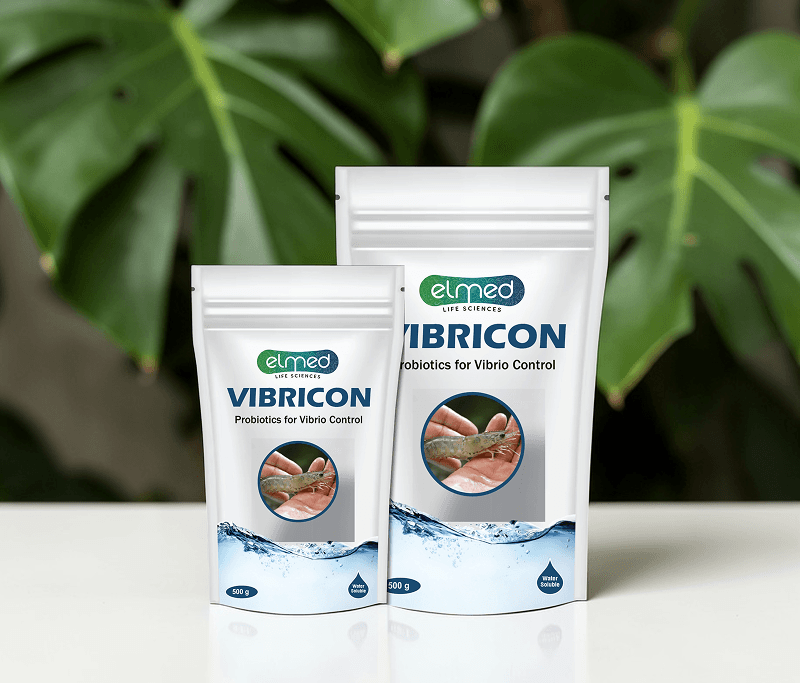
| Shrimp hatcheries play an essential role in the aquaculture industry by supplying healthy post-larvae for commercial shrimp farming. However, maintaining stable water conditions, managing harmful microorganisms and supporting larval development can be challenging. This is where beneficial microorganisms become valuable. Choosing a reliable Aqua Probiotics Manufacturer and Supplier helps hatchery operators access suitable microbial formulations that support water quality management, microbial balance and healthier shrimp production. Understanding their applications and quality parameters is important for making informed purchasing decisions.
Why Are Aqua Probiotics Important for Shrimp Hatcheries?Shrimp hatcheries operate under controlled environmental conditions where even minor changes in water quality can affect larval performance. Organic waste, uneaten feed, fluctuating microbial populations and excessive nutrient accumulation may create unfavorable conditions for shrimp larvae. Aqua probiotics introduce beneficial microorganisms that can help manage organic matter, compete with undesirable bacteria and support a more balanced aquatic environment. Certain bacterial strains, including selected Bacillus species and lactic acid bacteria, are commonly investigated for their applications in shrimp aquaculture. When incorporated into an appropriate hatchery management programme, probiotics may contribute to better microbial stability, digestive health and overall production efficiency. However, their effectiveness depends on strain selection, application methods and operating conditions. Major Applications of Aqua Probiotics in Shrimp Hatcheries1. Maintaining Hatchery Water QualityWater quality is one of the most important factors influencing shrimp larval development. Accumulated organic matter and nitrogenous waste can negatively affect the culture environment. Selected probiotic microorganisms help break down organic materials and support microbial processes involved in nutrient cycling. Certain microbial formulations may also contribute to managing ammonia and nitrite levels, depending on their composition and environmental suitability. Regular monitoring of dissolved oxygen, pH, ammonia, nitrite and alkalinity should accompany probiotic applications. 2. Supporting Larval Health and Gut Microbial BalanceDuring early developmental stages, shrimp larvae are particularly sensitive to environmental and microbial changes. Beneficial microorganisms may help establish a favorable microbial community within the digestive system. Probiotics administered through suitable live-feed enrichment or feed supplementation can support digestive processes and nutrient utilization. Certain strains are also studied for their ability to compete with undesirable microorganisms. These applications make microbial management an important consideration in hatchery operations. 3. Managing Undesirable Bacterial PopulationsThe presence of potentially harmful bacteria, including certain Vibrio species, is a significant concern in shrimp hatcheries. Selected probiotic strains may help limit the establishment of undesirable bacteria through competitive exclusion, nutrient competition and the production of antimicrobial substances. However, probiotics should not be considered a guaranteed disease-prevention treatment or a replacement for proper biosecurity and diagnostic practices. Combining microbial management with sanitation, water treatment and regular health monitoring creates a more comprehensive hatchery management strategy. 4. Improving Live Feed ManagementLive feeds such as Artemia and microalgae are important nutritional sources during shrimp larval development. Certain probiotic applications involve enriching live feeds with beneficial microorganisms to improve their microbial profile and support their nutritional value. The suitability of a probiotic for live-feed enrichment depends on its strain characteristics, compatibility and application method. Proper handling and microbial quality checks are essential when introducing these products into hatchery feeding programmes. How to Select the Right Aqua Probiotics for Shrimp HatcheriesSelecting an appropriate formulation requires more than comparing product prices or advertised microorganism counts. Hatchery operators should evaluate several technical and operational factors before purchasing. Microbial Strain Composition: Check the scientific identity of the microorganisms used in the formulation. Different strains have different functional properties, so their suitability should be evaluated against the intended application. CFU Count and Viability: Colony-forming units (CFU) indicate the number of viable microorganisms in a product under specified testing conditions. Buyers should review the declared CFU count, testing method and viability throughout the stated shelf life. Product Formulation: Aqua probiotics are available in powder and liquid formulations. Powder products may offer convenient storage and transportation, while liquid formulations can be suitable for specific application requirements. Selection should depend on product stability and hatchery operating conditions. Application Compatibility: Determine whether the product is intended for direct water application, feed supplementation or live-feed enrichment. A formulation developed for one application should not automatically be assumed suitable for another. Storage Requirements: Temperature, humidity, packaging and exposure to sunlight can influence microbial viability. Always follow the manufacturer's storage and handling instructions. Quality Considerations When Purchasing Aqua ProbioticsProduct quality directly influences the reliability of microbial management programmes. Therefore, hatchery businesses should evaluate suppliers based on transparent quality information and manufacturing practices. A dependable Aqua Probiotics Manufacturer and Supplier should be able to provide relevant product documentation, including microbial composition, declared CFU specifications, batch identification and recommended storage conditions. Other important quality considerations include:
These parameters help buyers compare available products and make more informed procurement decisions. Why Choose an Experienced Aqua Probiotics Supplier?Working with an experienced supplier can simplify product selection and support consistent procurement for commercial hatchery operations. Businesses should consider manufacturing transparency, product documentation, supply capacity, packaging options and technical assistance before establishing a long-term partnership. Elmed Life Sciences provides an opportunity for aquaculture businesses to explore its aqua probiotics manufacturing and supply offerings. Hatchery operators, distributors and bulk buyers can visit the company's dedicated product page to learn more about its aqua probiotics solutions and discuss their procurement requirements. Choosing the right Aqua Probiotics Manufacturer and Supplier should involve evaluating product suitability, documented quality parameters and the supplier's ability to meet business requirements consistently. ConclusionAqua probiotics are valuable microbial management tools for modern shrimp hatcheries. Their applications extend across water quality management, beneficial microbial balance, live-feed enrichment and shrimp health support. However, successful implementation depends on selecting suitable microbial strains, maintaining product viability and following appropriate application guidelines. For hatchery operators and aquaculture distributors, partnering with a quality-focused Aqua Probiotics Manufacturer and Supplier can be an important step towards building reliable and sustainable shrimp production practices. Careful product evaluation and continuous water quality monitoring remain essential for achieving the best possible results. Other Recommendations: Cattle Feed Supplement Manufacturers in India | |