
Article -> Article Details
| Title | How Network Enclosure Boxes Protect IT Equipment |
|---|---|
| Category | Business --> Information Technology |
| Meta Keywords | network enclosure box |
| Owner | Rackfinity |
| Description | |
|
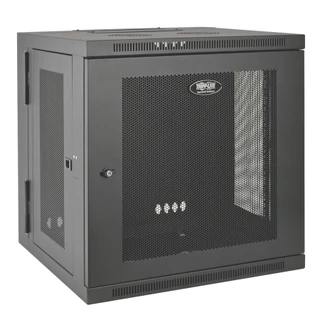
Modern businesses depend on reliable network connections to manage communication, share information, and operate their daily systems. From office computers and internet connections to security cameras and networking devices, different types of equipment work together to keep businesses connected. Protecting this equipment is important for maintaining an organised and efficient network setup. A network enclosure box provides a practical solution for storing and protecting networking components in one dedicated space. Whether you are setting up a new office network, managing equipment in a warehouse, or upgrading an existing IT system, choosing the right network enclosure box can make equipment management easier. It helps keep networking devices organised while providing protection from dust, accidental contact, and other environmental factors, depending on its design. Let's explore what a network enclosure box is, its benefits, common applications, and the important factors to consider before purchasing one. What Is a Network Enclosure Box?A network enclosure box is a protective cabinet or housing designed to store networking equipment, cables, and related electronic components. It provides a dedicated space for devices such as routers, switches, patch panels, modems, and other network accessories. These boxes are available in different sizes, materials, and designs to meet various installation requirements. Some models are designed for indoor use, while others offer additional protection for outdoor or industrial environments. A network enclosure box may include lockable doors, ventilation openings, mounting panels, cable entry points, and other useful features. These components help keep networking equipment organised, accessible, and protected. 1. Protects Networking EquipmentOne of the main benefits of a network enclosure box is that it helps protect valuable networking devices from physical damage and unwanted contact. Routers, switches, and other electronic components need a suitable environment to operate properly. Leaving these devices exposed can increase the chances of accidental damage, dust accumulation, or unauthorised handling. A properly selected enclosure provides a protective housing for the installed equipment. Some models also include lockable doors and side panels to improve security. For businesses with networking devices installed in shared spaces, using a suitable enclosure can help keep important equipment protected. 2. Keeps Network Equipment OrganisedManaging multiple networking devices and cables can become difficult without proper organisation. Loose cables and equipment placed on desks or shelves can create clutter and make maintenance more complicated. A network enclosure box provides a central location for storing different networking components. It allows technicians to arrange devices neatly and manage connections in a structured way. For example, a business can install a router, network switch, and patch panel inside a suitable enclosure. This keeps the equipment together and makes it easier to identify individual connections. An organised network setup also helps technicians perform regular inspections and troubleshoot problems more efficiently. 3. Supports Better Cable ManagementCable management is an important part of maintaining a reliable network infrastructure. Poorly arranged cables can make it difficult to identify connections, replace components, and perform maintenance. Many network enclosure boxes include cable entry points, routing spaces, and mounting accessories that help keep wires organised. Some important benefits of proper cable management include:
Keeping cables properly arranged also creates a cleaner appearance in offices, server rooms, and other technical environments. 4. Helps Manage Dust and Environmental ExposureNetworking equipment can be affected by dust, moisture, and other environmental conditions. These factors may create problems if devices are installed in unsuitable locations. A network enclosure box provides a physical barrier between networking equipment and its surroundings. Depending on the enclosure design and protection rating, it may help reduce exposure to dust, water splashes, and other external elements. For outdoor installations or industrial facilities, selecting an enclosure with an appropriate IP rating is important. The protection level should match the environmental conditions where the equipment will be installed. Always check the manufacturer's specifications before using an enclosure in demanding environments. 5. Improves Equipment SecurityNetworking equipment plays an important role in business operations. Unauthorised access to routers, switches, and network connections can create security and operational concerns. Many network enclosure boxes include lockable doors or panels to help restrict physical access to installed devices. This feature is useful in offices, schools, warehouses, retail stores, and other locations where networking equipment may be installed in shared areas. Keeping equipment inside a secured enclosure can help prevent accidental handling and limit access to authorised staff. 6. Supports Different Networking DevicesNetwork enclosure boxes are available in different sizes and configurations to support various types of equipment. Depending on the available space and design, they can accommodate:
Before selecting an enclosure, check the dimensions of your equipment and make sure there is enough room for cables, ventilation, and future additions. 7. Makes Installation and Maintenance EasierInstalling networking equipment without a proper enclosure can make future maintenance difficult. Technicians may need to move devices or disconnect several cables to access individual components. A network enclosure box provides a structured arrangement that makes equipment easier to access and manage. Depending on the model, it may include removable panels, mounting brackets, adjustable rails, and hinged doors. These features allow technicians to inspect devices, check connections, replace components, and perform regular maintenance without disturbing the entire network setup. Choosing an enclosure with suitable access options can save time during installation and maintenance. Common Applications of Network Enclosure BoxesNetwork enclosure boxes are used across different industries where networking devices need proper storage and protection. 1. Office BuildingsOffices use routers, switches, patch panels, and communication devices to connect computers and other equipment. Network enclosures help keep these components organised in dedicated locations. 2. WarehousesWarehouses depend on wireless networks, barcode scanners, inventory systems, and security cameras. Enclosures help protect the networking equipment that supports these operations. 3. Manufacturing FacilitiesFactories use network devices to connect monitoring systems, industrial computers, and communication equipment. Suitable enclosures help organise these components in industrial environments. 4. Educational InstitutionsSchools, colleges, and universities use networking equipment to support computer laboratories, internet connections, online learning, and administrative systems. Network enclosure boxes provide a dedicated space for managing this hardware. 5. Retail StoresRetail businesses use networking devices for payment systems, security cameras, inventory management, and communication. Enclosures help keep the required equipment organised and protected. 6. Outdoor Network InstallationsSome network enclosure boxes are designed for outdoor applications. They can house compatible communication equipment used in external network installations, provided their weather protection and temperature ratings suit the installation conditions. Different Types of Network Enclosure BoxesChoosing the right enclosure depends on where it will be installed and what equipment it needs to hold. Each type serves different requirements, so consider the installation location and equipment size before making a selection. Important Factors to Consider Before Buying a Network Enclosure BoxSelecting the right enclosure involves more than checking its size or appearance. Consider these important factors before purchasing one. 1. Size and DimensionsCheck the height, width, and depth of the enclosure. Make sure it can accommodate your networking devices, cables, and accessories without overcrowding. 2. Material and ConstructionNetwork enclosure boxes are commonly made from materials such as steel, aluminium, and suitable plastics. Choose a material that matches your installation environment and equipment requirements. 3. VentilationNetworking devices generate heat during operation. Select an enclosure with suitable ventilation openings or compatible cooling options to support proper airflow. 4. Protection RatingFor outdoor or industrial installations, check the IP rating. It indicates the level of protection against dust and water ingress. Choose a rating that matches the conditions of your installation. 5. Security FeaturesIf the equipment is installed in a shared or accessible area, consider an enclosure with lockable doors and secure mounting options. 6. Cable ManagementLook for suitable cable entry points, routing options, and mounting accessories. These features help maintain an organised network setup. Why Choose Rackfinity for Network and IT Equipment?Choosing suitable IT equipment and accessories is important for creating an organised networking environment. Businesses should consider equipment compatibility, available space, product specifications, and installation requirements before making a purchase. Rackfinity offers IT equipment and technical furniture, including rack enclosures, adjustable computer desks, and accessories. Its product range supports businesses looking to organise their technology equipment and create functional IT workspaces. When planning a network installation, consider the number of devices, cable connections, mounting requirements, and available space. Selecting suitable rack enclosures and accessories can help create a more organised and manageable IT environment. ConclusionA network enclosure box is a useful solution for businesses that need to organise and protect their networking equipment. It provides dedicated space for routers, switches, patch panels, and other communication devices while supporting better cable management, security, and equipment accessibility. From offices and warehouses to manufacturing facilities and educational institutions, network enclosure boxes help maintain an organised networking setup. Before purchasing, consider the enclosure's size, material, ventilation, protection rating, and security features. Selecting the right model can help support your existing network equipment and future requirements. If you are planning to improve your IT infrastructure, explore the range of rack enclosures, technical furniture, and accessories available at Rackfinity. The right equipment can help create a clean, organised, and functional networking environment. Frequently Asked Questions (FAQs)1. What is a network enclosure box used for?A network enclosure box is used to store and protect networking devices such as routers, switches, patch panels, and communication equipment. It also helps organise cables and connections. 2. What is the difference between a network enclosure and a server rack?A network enclosure is generally designed to house networking devices and related components. A server rack is commonly used to mount servers, storage systems, and networking hardware. Their sizes and configurations depend on the intended application. 3. Can a network enclosure box be installed outdoors?Yes, certain network enclosure boxes are designed for outdoor installations. Check their IP rating, material, temperature limits, and weather protection before selecting one. 4. Why is ventilation important in a network enclosure?Networking devices produce heat during operation. Proper ventilation helps remove excess heat and supports suitable operating temperatures for the installed equipment. 5. Which material is suitable for a network enclosure box?Steel, aluminium, and suitable plastics are common materials. The right option depends on the installation environment, required protection, equipment weight, and durability needs. 6. How do I choose the right network enclosure box?Consider the equipment dimensions, mounting requirements, ventilation, cable management, security features, and environmental protection rating. These factors help you select an enclosure that suits your networking requirements. | |